How Casinos Use Design, Lights, and Sounds to Keep Players Playing
Casinos are more than just places where people gamble—they’re carefully designed environments built to keep visitors entertained, comfortable, and engaged for as long as possible. From the moment you walk through the doors, nearly every element around you has been strategically planned. The lighting, sounds, colors, and even the layout of the room work together to create an atmosphere that encourages players to keep playing. While it may feel like you’re simply enjoying a night out, casinos rely heavily on psychology and design principles to shape the experience, and understanding how these elements work can give you a new perspective on what’s happening behind the scenes.
The Power of Strategic Lighting
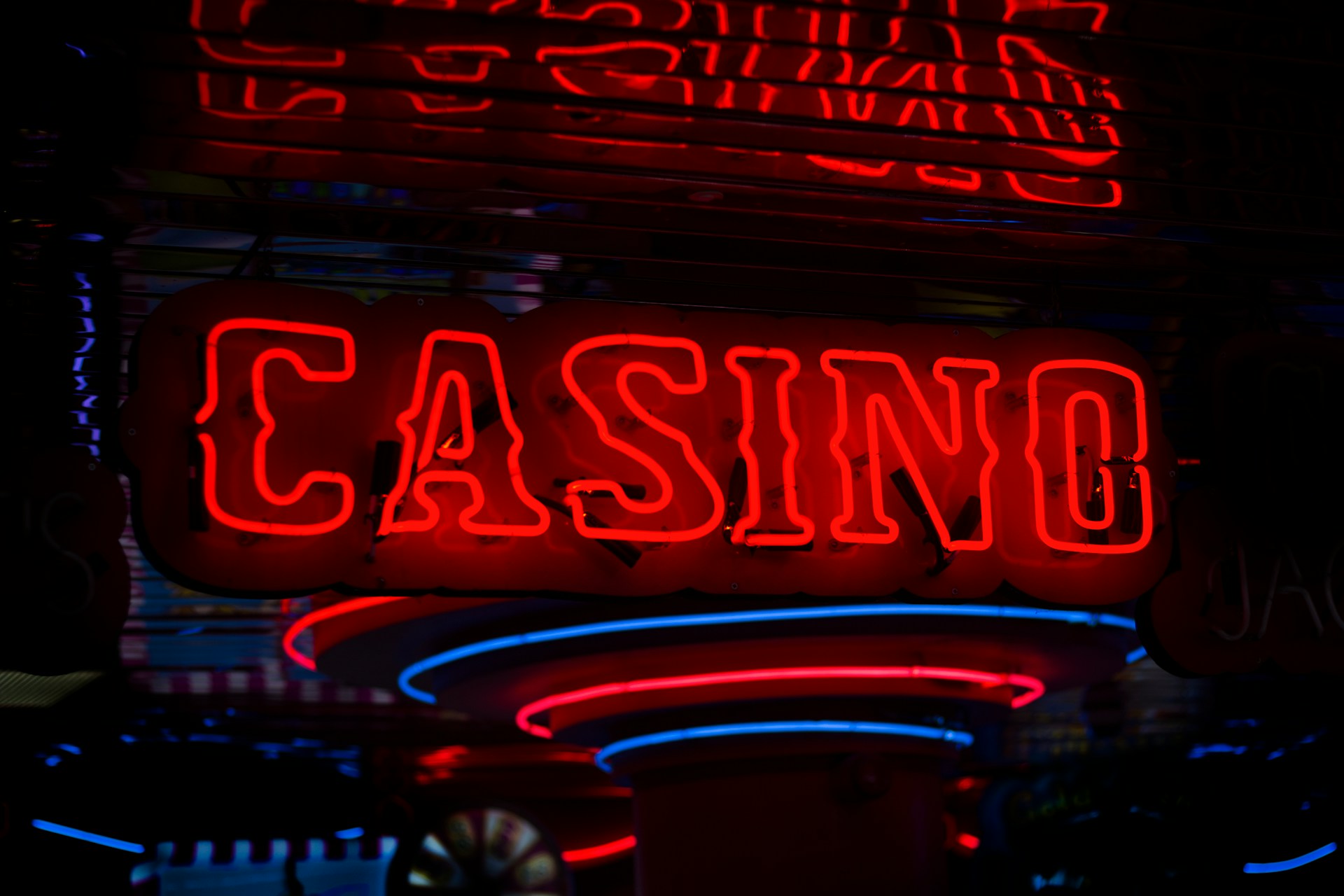
 Lighting plays a major role in the casino atmosphere. Most casinos avoid bright natural light or windows, which helps create a sense of timelessness. Without clear signals of whether it’s day or night, players may lose track of time and stay longer than they originally planned. Instead of harsh overhead lighting, casinos use warm, colorful lights that make the environment feel exciting and inviting. Slot machines often feature flashing lights and bright displays designed to grab attention. These lights signal activity, success, and excitement, making the space feel energetic and encouraging players to join in.
Sound Effects That Trigger Excitement
Casinos are filled with sound, and it’s not by accident. The ringing bells, cheerful jingles, and celebratory music from slot machines are carefully crafted to create the illusion that winning is frequent. Interestingly, many machines play winning sounds even for small payouts that may actually be less than the original bet. These sounds create a psychological reward, making players feel successful even when they haven’t truly gained much. Over time, the brain begins to associate these sounds with pleasure and excitement, which encourages players to continue.
The Maze-Like Layout
If you’ve ever tried to navigate a large casino floor, you may have noticed that the layout can feel a bit confusing. This is intentional. Casinos often design their floors like a maze, with winding pathways and strategically placed gaming tables. The idea is to keep players moving past as many games as possible. As people walk through the space, they constantly encounter new opportunities to stop and play. This design reduces the chances of someone quickly walking in and out without interacting with the games.
Comfortable Environments Encourage Longer Stays
Casinos aim to make guests feel comfortable enough to stay for hours. Chairs at slot machines are often cushioned, the temperature is carefully controlled, and drinks are readily available. All these elements help create a relaxed environment where players can settle in. When people feel physically comfortable, they are less likely to leave quickly. This subtle approach encourages longer gaming sessions without players necessarily realizing how much time has passed.
The Use of Colors and Visual Stimulation
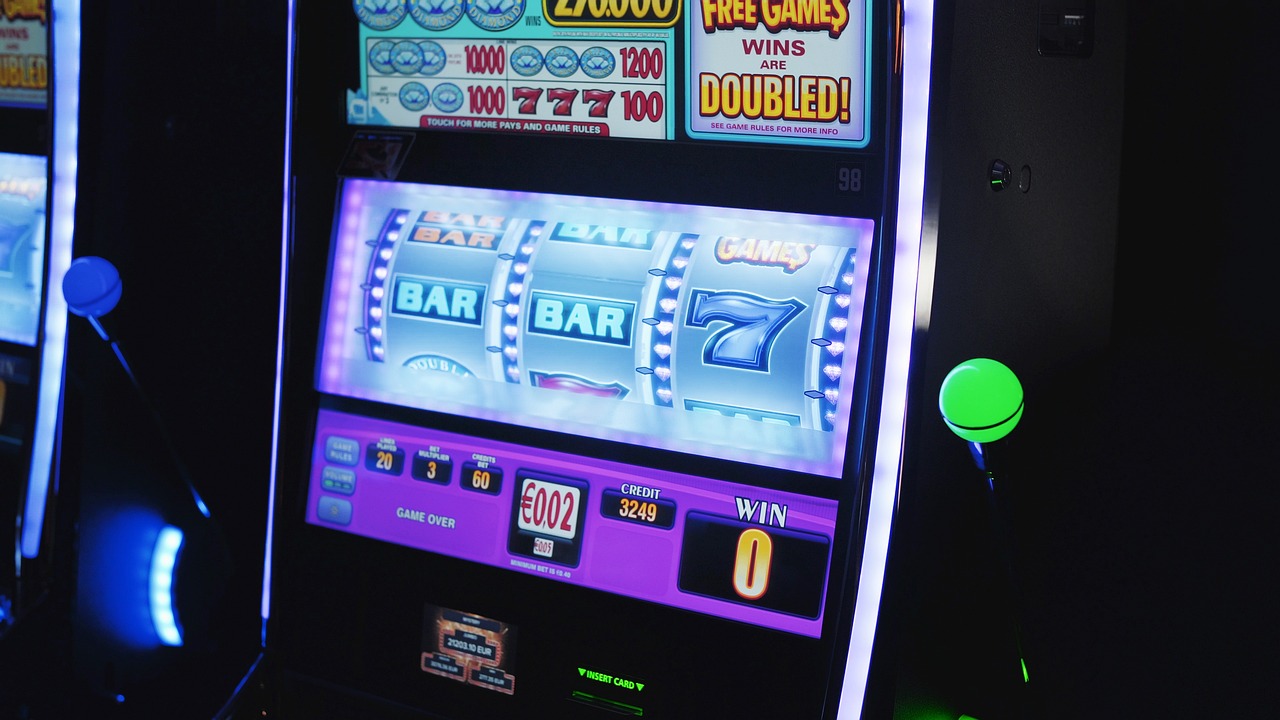
Color psychology also plays a role in casino design. Bright colors like red, gold, and purple are commonly used because they evoke excitement, luxury, and energy. These tones help create a lively atmosphere that keeps players mentally stimulated. Slot machines and digital displays are also packed with animated graphics and movement. The constant visual stimulation helps maintain attention and makes the gaming floor feel dynamic rather than repetitive.
Small Wins That Keep Motivation High
Casinos understand that frequent small wins can be just as motivating as large jackpots. Many games are designed to offer regular minor payouts, which keep players feeling encouraged. These small victories trigger dopamine in the brain, the chemical associated with pleasure and reward. Even modest wins can create a sense of progress and excitement, motivating players to continue playing in hopes that a bigger win might come next.
The Illusion of Control
Another psychological factor used in casino design is the feeling that players have some control over the outcome. Games often include buttons to press, cards to choose, or wheels to spin. These interactive elements create the impression that skill or timing might influence the result. In reality, many games are governed by random number generators or predetermined odds. However, the sense of involvement makes the experience feel more engaging and personal.
Casinos are carefully crafted environments where every design choice serves a purpose. Lighting, sounds, layout, and visual stimulation all work together to create a space that feels exciting and immersive. By encouraging comfort, triggering psychological rewards, and maintaining constant sensory engagement, casinos can keep players entertained for extended periods of time.